
Protecting Homes from Minnesota Weather Damage
Siding Installation and Repair in Hastings for visible panel damage, moisture intrusion, and energy loss
Kellington Remodeling & Restoration, LLC handles new siding installation and targeted repairs across Hastings, addressing everything from single cracked panels to complete system replacements. Homeowners typically request this service when they notice warping along exterior walls, loose panels that shift during wind, or discolored sections where moisture has compromised the material. The work restores both weather protection and thermal performance while eliminating visible damage that affects property appearance.
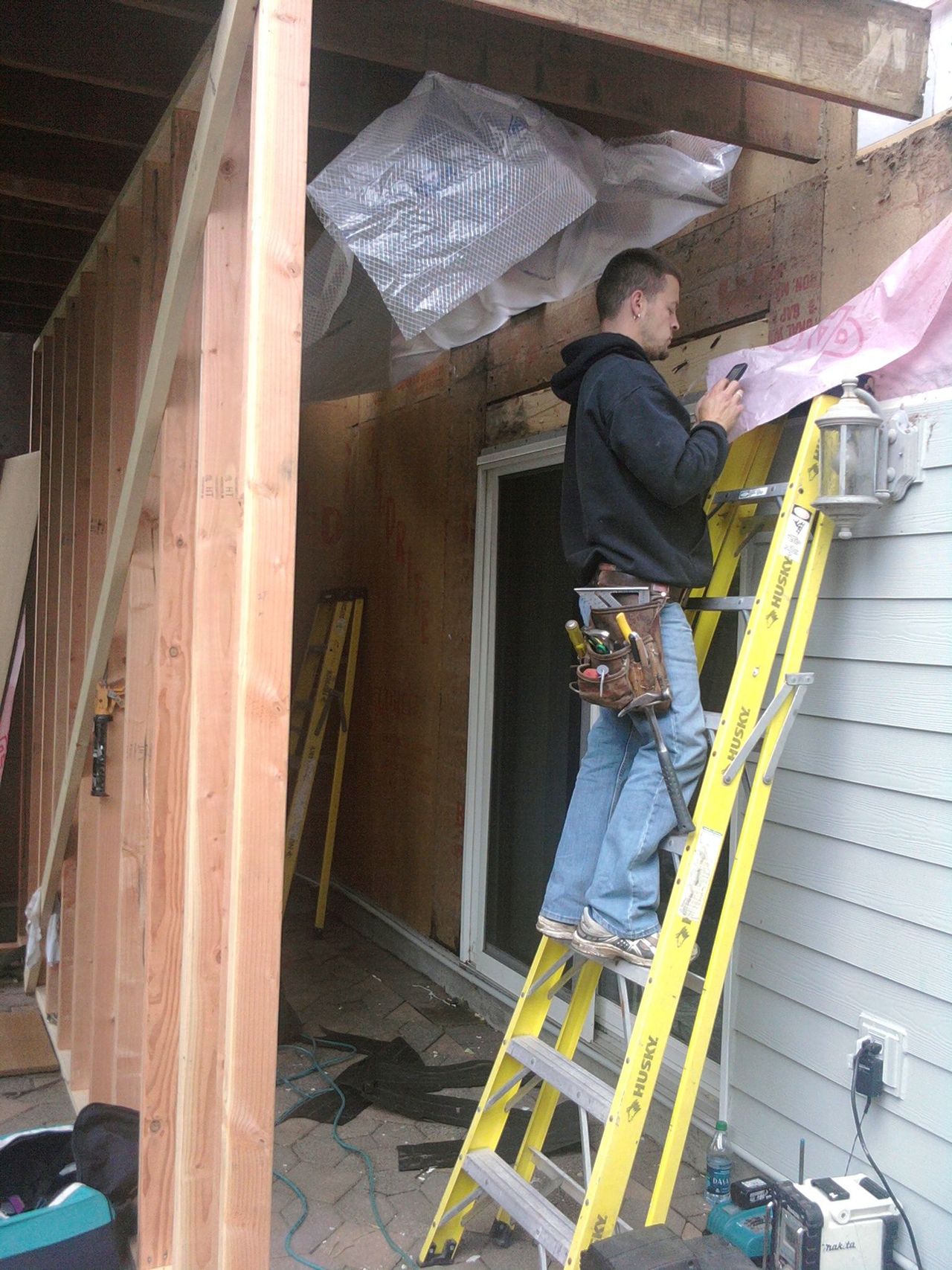
Siding installation begins with a full exterior inspection to assess current material condition, identify moisture damage behind existing panels, and evaluate whether repair or replacement serves the structure best. Repair work addresses isolated failures through panel replacement, resealing joints, and correcting alignment issues, while new installations involve removing compromised material, verifying sheathing integrity, and installing fresh siding with proper ventilation gaps and weatherproofing details. Minnesota's freeze-thaw cycles make correct sealing and expansion allowances critical to preventing future panel buckling and moisture penetration at seams.
Schedule a property inspection to assess current siding condition and receive material recommendations based on your home's exposure.
Contact Us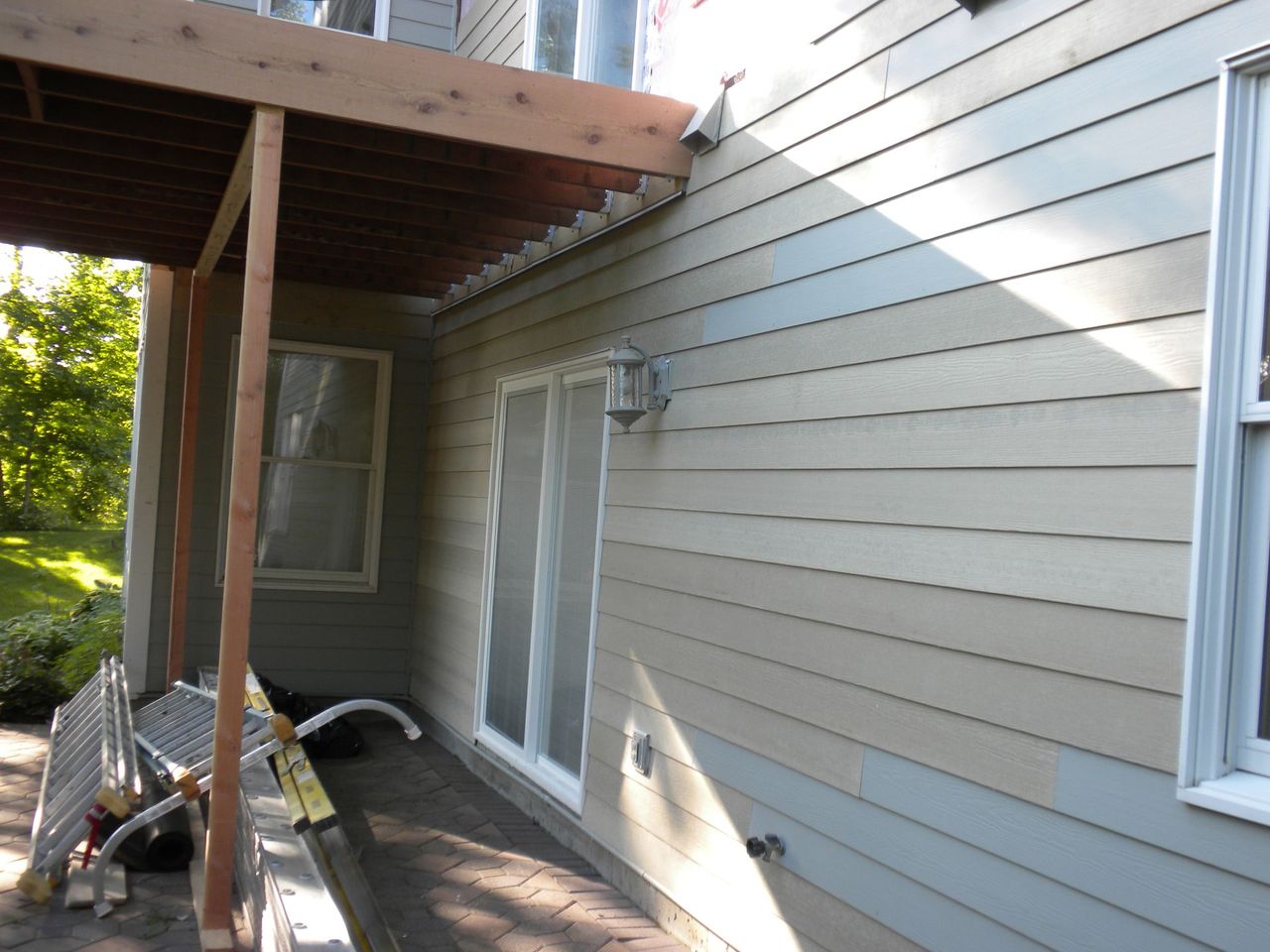
What Proper Siding Work Delivers Long-Term
Siding systems function as the primary barrier against rain, wind, snow, and temperature extremes, so installation quality directly affects how well your home sheds water and retains conditioned air. Material options include vinyl for low maintenance and cost efficiency, fiber cement for impact resistance and fire rating, wood for traditional aesthetics with regular upkeep requirements, and composite products that combine durability with varied finish options. Each material demands specific fastening patterns, overlap measurements, and flashing details to perform correctly under Hastings weather conditions, where summer storms and winter ice both test exterior envelope integrity.
After installation or repair completes, you'll notice exterior walls that sit flush and uniform without gaps at corners or transitions, panels that remain secure during high winds instead of rattling or pulling away, and interior spaces that hold temperature more consistently as air leakage decreases. Proper alignment and sealing also prevent water from tracking behind the siding plane, which stops the rot and mold growth that often develops when moisture reaches sheathing or framing. Energy costs typically decrease as thermal bridging reduces and conditioned air stays inside the building envelope.
The installation process includes removing old material when necessary, inspecting and repairing underlying sheathing or moisture barriers, setting starter strips at the correct height, fastening panels with appropriate nail placement to allow thermal movement, and installing trim pieces that direct water away from vulnerable transitions. Ventilation behind the siding plane is maintained through furring or design features that allow airflow, preventing trapped moisture that shortens material lifespan regardless of siding type selected.
Questions Homeowners Ask Before Starting Siding Work
Projects in Hastings often involve decisions about material selection, repair scope versus full replacement, and how installation methods affect long-term durability in Minnesota's variable climate.
What determines whether siding should be repaired or fully replaced?
The decision depends on how widespread the damage is, whether moisture has reached the sheathing layer, and if the existing material still meets current energy code requirements. Isolated panel damage usually justifies repair, while systemic issues like extensive warping, widespread moisture intrusion, or outdated material with poor thermal performance typically make replacement more cost-effective long-term.
How does material choice affect maintenance requirements over time?
Vinyl siding requires occasional washing but no painting or sealing, fiber cement needs repainting every ten to fifteen years but resists impact and fire better than other options, wood siding demands regular staining or painting to prevent moisture absorption and decay, and composite materials balance durability with moderate maintenance similar to painted wood. Climate exposure and homeowner preference for appearance versus upkeep drive material selection.
Why does proper installation include ventilation space behind siding panels?
Ventilation allows moisture that penetrates the siding or migrates from inside the home to escape rather than saturating sheathing and insulation, which prevents rot, mold growth, and structural damage that develop when materials remain wet. Hastings humidity levels during summer months make this airflow gap particularly important for long-term system performance.
What causes siding panels to warp or buckle after installation?
Warping typically results from insufficient expansion gaps that don't accommodate thermal movement, nails driven too tightly that restrict panel flex, or moisture trapped behind the siding plane that swells the material. Correct fastening allows each panel to move slightly as temperatures shift without creating stress points that deform the surface.
When should siding work be scheduled for best results?
Spring and fall offer moderate temperatures that make material handling easier and allow sealants to cure properly, though installation can occur year-round if weather permits and installers account for material contraction in cold conditions. Scheduling before Minnesota winter arrives ensures your home envelope is sealed against snow and ice infiltration.
Kellington Remodeling & Restoration, LLC evaluates your current siding condition and provides material recommendations tailored to your home's specific exposure and performance needs. Request a detailed estimate that includes material options, installation scope, and projected timeline based on your property's exterior.