Stop Water From Destroying Your Home
Water Damage Restoration in Hastings for active leaks, standing water, and saturated walls before mold takes hold
Kellington Remodeling & Restoration, LLC provides water damage restoration in Hastings when your home has been affected by leaks, flooding, or moisture intrusion that threatens the structure and safety of your living space. You may notice water pooling on floors, discolored ceiling patches, warped baseboards, or a persistent damp smell that signals hidden moisture. The service begins with identifying where the water entered, how far it has spread, and what materials have absorbed it.
Water moves quickly through drywall, insulation, and subflooring, and what starts as a small leak can weaken framing and create conditions for mold within 24 to 48 hours. The restoration process includes water extraction, structural drying using air movers and dehumidifiers, removal of damaged materials that cannot be saved, and repairs to return the affected area to a safe, dry state. Each step addresses both the visible damage and the moisture hidden inside wall cavities and under flooring.
If you are dealing with water damage in your Hastings home, a prompt inspection can clarify what needs to be dried, removed, or rebuilt.
Contact Us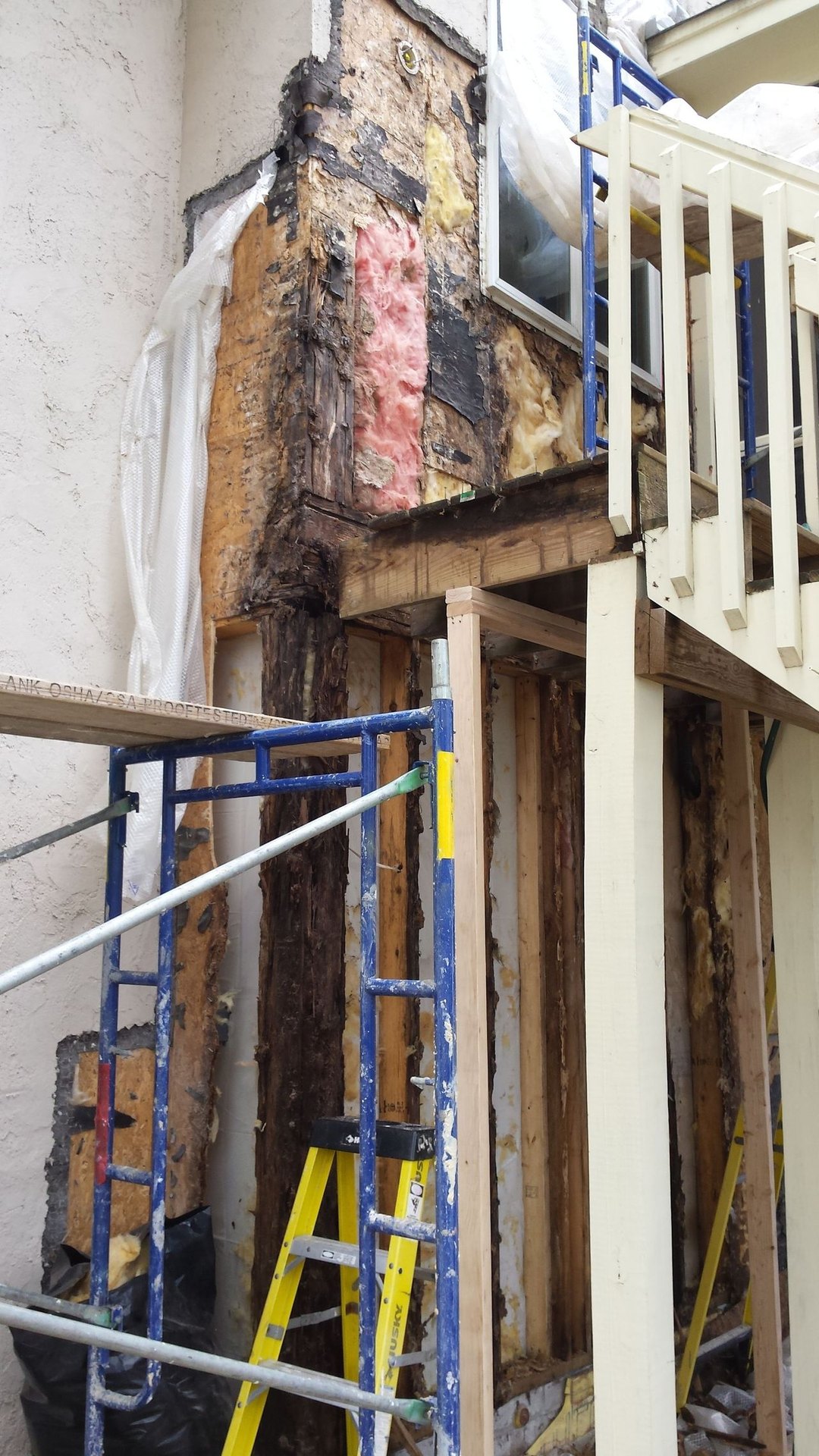
What Happens During Water Damage Restoration
Your restoration begins with a moisture inspection using meters that detect saturation levels in walls, floors, and ceilings. You will see crews remove standing water, pull back wet carpet or padding if present, and position drying equipment to pull moisture from the air and building materials. The goal is to bring all affected surfaces back to normal moisture content before any reconstruction begins.
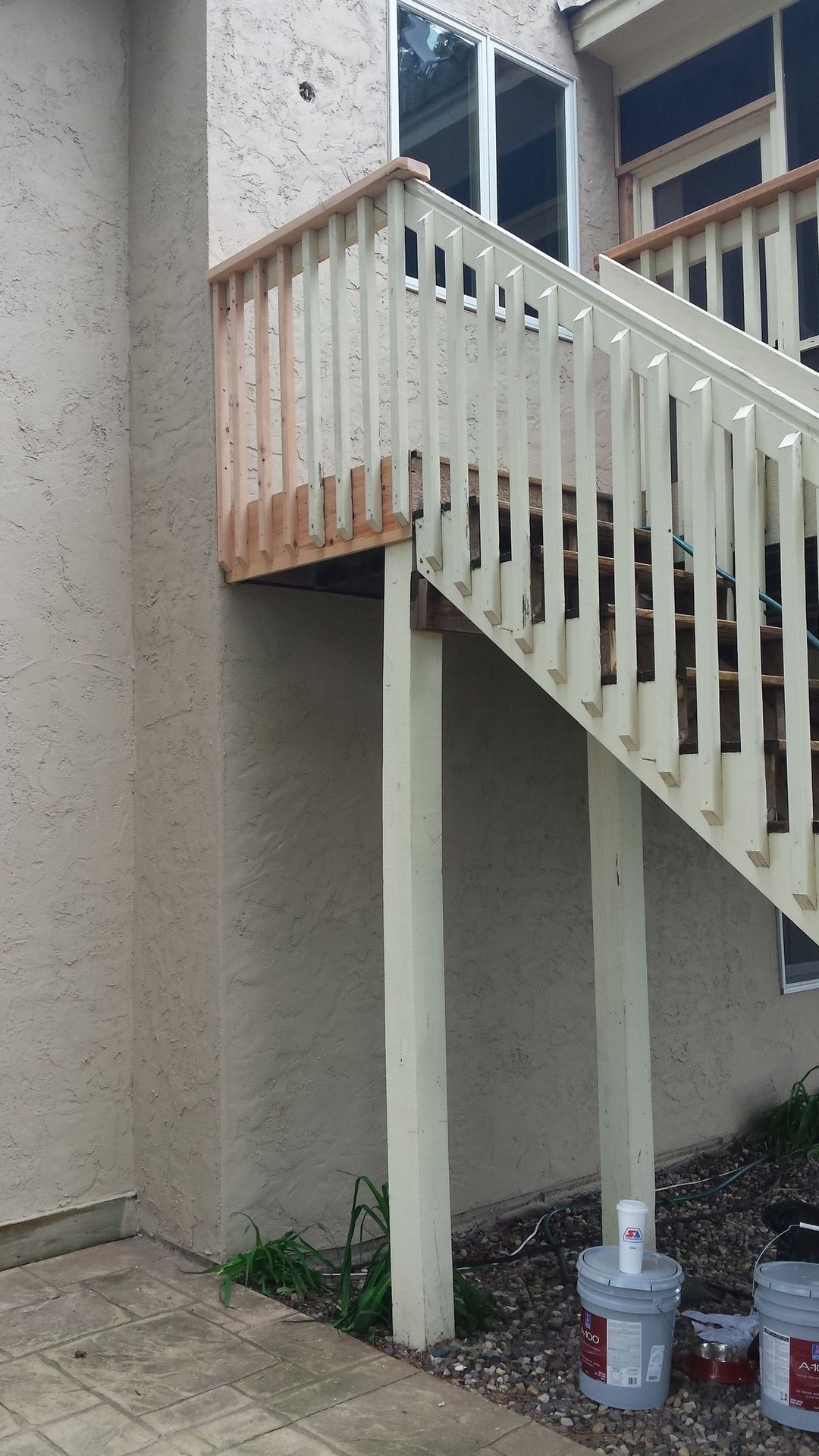
After drying is complete, Kellington Remodeling & Restoration, LLC removes materials such as soaked drywall, insulation, or flooring that cannot be salvaged, then replaces framing or sheathing if structural damage occurred. You will notice floors are level again, walls are solid, and the damp odor is gone. Surfaces are primed and finished to match the rest of the room.
Restoration timelines depend on the extent of saturation and the type of materials affected. Drying alone may take several days, and full repairs can extend longer if framing or subfloors need replacement. The service does not include mold remediation if growth has already begun, though moisture control reduces that risk significantly.
Questions About Water Damage and Restoration Work
Homeowners in Hastings often ask how quickly water damage needs attention and what the restoration process involves from start to finish.
How quickly does water damage need to be addressed?
You should begin drying within 24 to 48 hours to prevent mold growth and limit structural damage, especially in spaces with poor ventilation or organic materials like wood and drywall.
What tools are used to dry a home after water damage?
Restoration crews use moisture meters to measure saturation, air movers to circulate air across wet surfaces, and commercial dehumidifiers to pull moisture from the air and building materials.
Why does flooring need to be removed after a flood?
Water soaks into subflooring and padding beneath carpet or vinyl, and those layers do not dry effectively once saturated, which leads to warping, odor, and mold risk if left in place.
When is drywall salvageable after water exposure?
Drywall that has been wet for less than 48 hours and shows no signs of swelling, crumbling, or mold growth can sometimes be dried and kept, but anything with prolonged saturation typically needs replacement.
What happens if water damage is not fully dried?
Moisture trapped inside walls or floors will cause wood rot, rust on fasteners, mold growth, and ongoing structural weakening that becomes more expensive to repair over time.
Kellington Remodeling & Restoration, LLC works with homeowners throughout the Hastings area to restore properties affected by water intrusion, whether from storms, plumbing failures, or appliance leaks. Reach out to schedule an inspection and discuss what your property needs to return to a safe, dry condition.